Best Fonts for Coffee Packaging and Roastery Branding
Stand out on store shelves! Discover the best fonts for coffee packaging that capture artisan warmth, premium quality, and customer interest.
Ever stared at a design and thought, “why does this look so… good?” Nine times out of ten, it’s not just the colors or layout — it’s the font pairing. Picking the right combination of typefaces can make your design feel polished and professional, while the wrong combo can make it look messy or amateur, even if everything else is perfect.
The good news? Font pairing isn’t some secret skill only designers are born with. It’s a learnable craft, and once you understand a few simple principles, you’ll start spotting good (and bad) pairings everywhere. Let’s break it down step by step.
Typography sets the tone before a single word is even read. A bold, geometric sans-serif screams “modern startup,” while an elegant serif whispers “luxury brand.” When you pair fonts well, you create visual hierarchy, guide the reader’s eye, and make your content easier to digest.
On the flip side, mismatched fonts can clash, distract, or make your design feel unbalanced — even if each font looks great on its own.
The golden rule of font pairing is contrast. You want your fonts to be different enough that they don’t compete, but similar enough that they feel like they belong together.
Some classic ways to create contrast:
Avoid pairing two fonts that look almost the same — it tends to look like a mistake rather than an intentional design choice.
It’s tempting to use every cool font you find, but more isn’t better. A good rule of thumb:
Three fonts is usually the limit. Beyond that, your design starts to feel cluttered and inconsistent.
Every font has a personality. Before pairing, ask yourself: what feeling am I trying to create?
Your fonts should tell the same story. A whimsical script paired with a stiff corporate sans-serif, for example, sends mixed signals to your audience.
This one’s a bit more technical, but stick with us — it makes a huge difference. X-height refers to the height of lowercase letters (like “x”) relative to the font’s overall size.
When pairing fonts, try to choose typefaces with similar x-heights. If one font has a much larger x-height than the other, they’ll look mismatched in size even when set at the same point size, throwing off your visual balance.
A quick tip: type out the same sentence in both fonts at the same size and place them side by side. If one looks noticeably bigger or smaller, you may need to adjust the sizing manually.
You don’t have to guess your way through this. There are tons of resources that suggest tried-and-tested font combinations:
Pro tip: when you find a font you love, check if the foundry or designer has listed “recommended pairings” — this is basically a cheat sheet made by people who know the font inside and out.
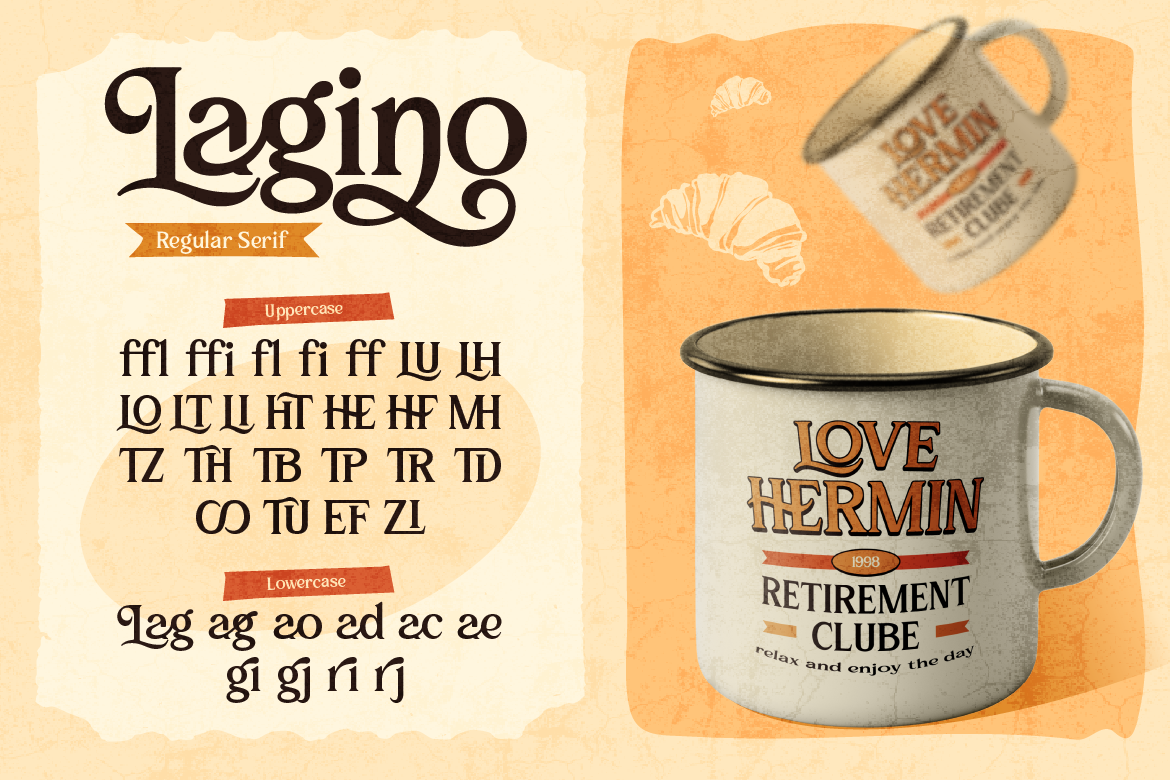
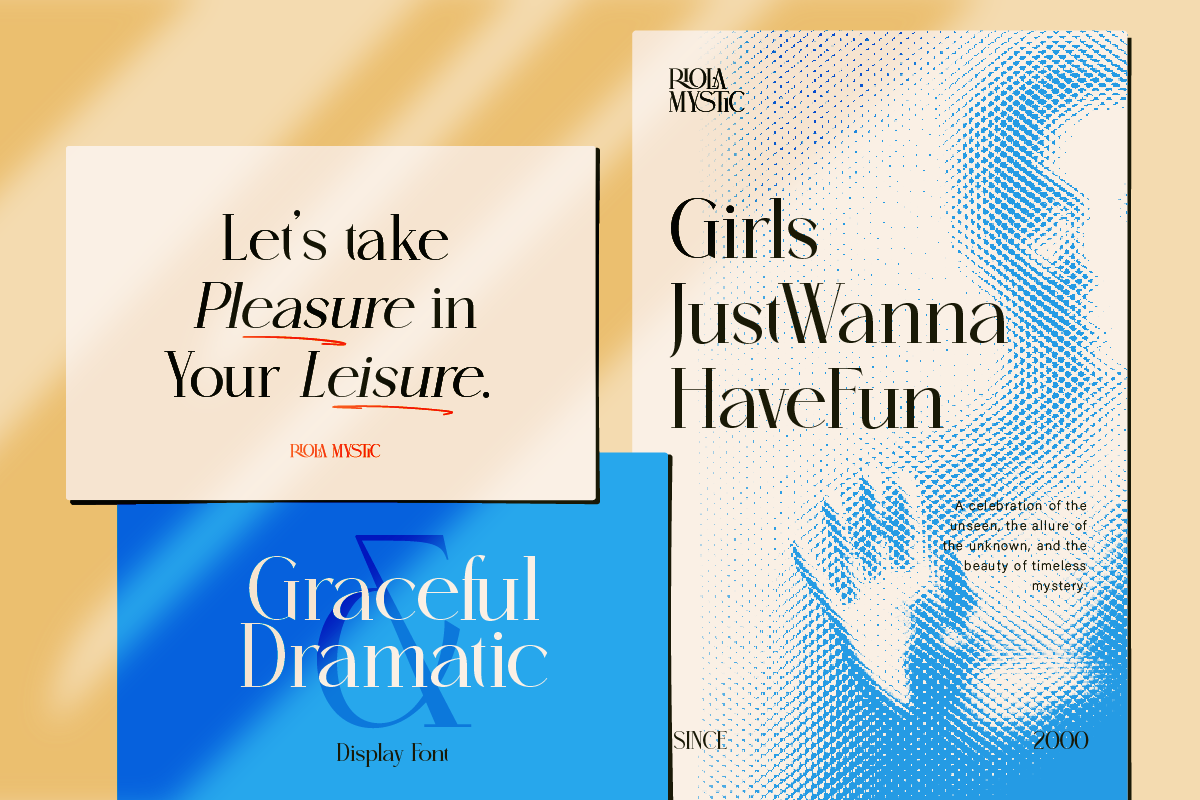
Want some real-world inspiration? Here are a few pairing ideas using fonts from the ArtisanFont collection — perfect if you’re already browsing for your next project:
💡 Tip: Notice how Cantilos keeps showing up? That’s intentional — a clean, minimalist font like Cantilos is super versatile and pairs well with almost any display or headline font with more personality. If you’re just starting out, having one reliable “workhorse” body font in your toolkit makes pairing way less stressful.
At the end of the day, font pairing is part science, part art. The “rules” above are great starting points, but the more you practice — and the more designs you study — the more your instincts will sharpen. Try different combinations, step back, and ask yourself: does this feel balanced? Does it match the mood I’m going for?
If you’re looking for high-quality fonts to start experimenting with, browse the collection at ArtisanFont — many of our typefaces come with pairing suggestions to help you build beautiful designs faster, even if you’re just getting started.
Best Fonts for Coffee Packaging and Roastery Branding
Stand out on store shelves! Discover the best fonts for coffee packaging that capture artisan warmth, premium quality, and customer interest.
Best Font Duo for Logos: How to Create Instant Visual Hierarchy
Stop wasting hours testing typography pairs! Discover how using the best font duo for logos gives your brand identities instant visual balance.
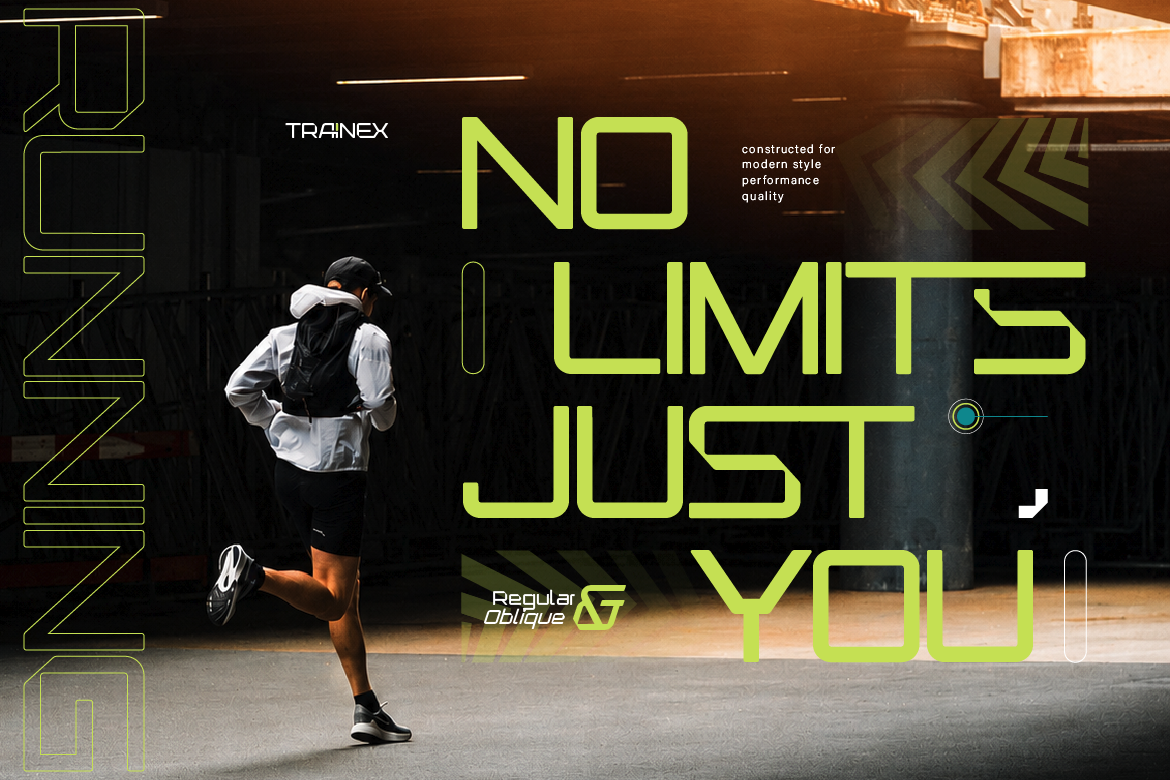
How to Fix Kerning Issues Before Printing T-Shirts
Tired of messy apparel graphics? Learn how fixing kerning issues and selecting vector-ready display fonts ensures crisp t-shirt prints every time.